Your team

Meet the medical team

Four physicians staff the Plastic Surgery & Aesthetics Medical Center at Chongqing West District Hospital. Dr. Ke He is the responsible physician for this site and assesses and plans its light-based treatment; the Center Director provides the surgical perspective and the hospital backstop, and two colleagues carry the surgical referral and the dermatologic work that decide whether a device is the right answer in the first place.

Specialist profiles

Who reviews this content

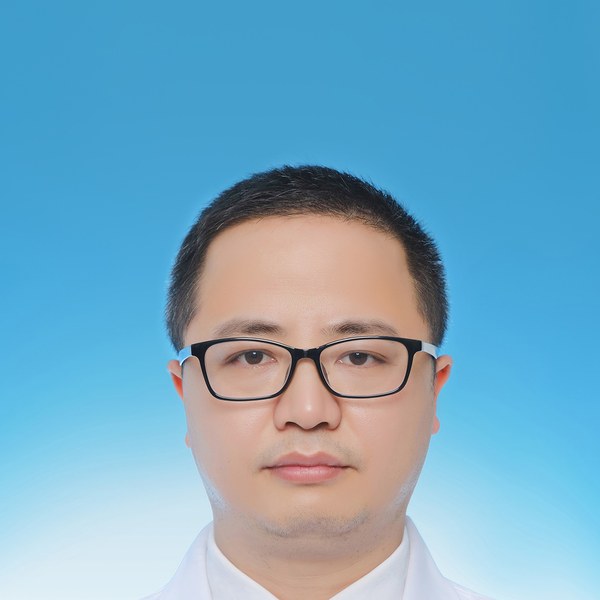
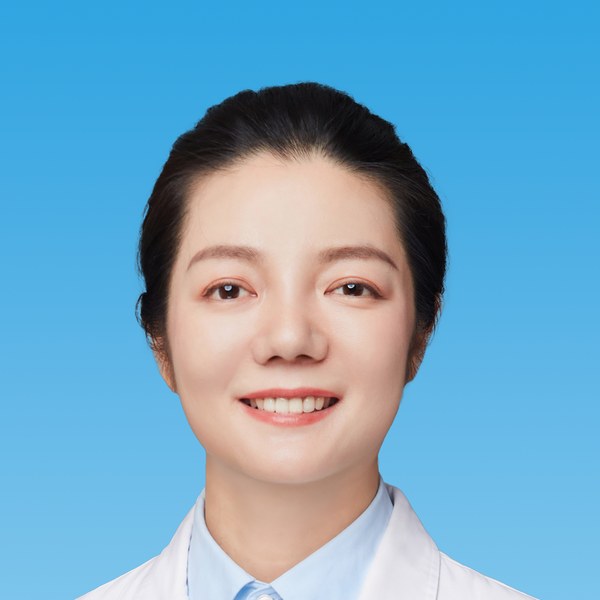
Ke He

Ke He (何锞)

Deputy Director & Head of Skin & Laser Aesthetics · Attending Physician, Licensed Aesthetic Attending · Lead Physician of This Site

Intense pulsed light · pigment and vascular assessment · skin-tone safety

Dr. Ke He is Deputy Director of the Plastic Surgery & Aesthetics Medical Center at Chongqing West District Hospital and head of its skin and laser aesthetic service — and she is the lead physician of this site. A core specialist formerly at the Plastic and Aesthetic Surgery Department of Xinqiao Hospital, affiliated with Army Medical University, she has worked on the clinical front line in skin laser and injectable aesthetics for more than 20 years, serving over ten thousand patients.

Her method is assessment before device. That means establishing what a patch of pigment or a patch of redness actually is before deciding how to treat it, and judging whether the contrast between the target and the surrounding skin makes light treatment safe at all. A first session is treated as a test of how the skin responds rather than as the first instalment of a result. Progress is judged against standardised photographs rather than memory, and a plan that has stopped producing visible change is revised rather than extended. Where the honest answer is a longer-wavelength laser, a topical programme or no treatment, she says so.

Clinical focus

  • Skin-type and candidacy assessment for light-based treatment, including safety in darker skin
  • Intense pulsed light for sun-related pigment and diffuse redness
  • Pigment conditions: freckles, sun spots, age spots, melasma-type pigment and post-inflammatory pigment
  • Vascular concerns: persistent redness, visible vessels and rosacea-related flushing
  • Device sequencing and topical programmes around a light-based course
  • Recognition and management of post-inflammatory hyperpigmentation after treatment

Academic roles & achievements

  • Member, Laser Medicine Group, Chinese Medical Association Plastic Surgery Branch
  • Member, Facial Rejuvenation Group, Chinese Medical Association Plastic Surgery Branch
  • Member, Chongqing Plastic Surgery Quality Control Center
  • Published 5 papers, holds 5 national patents, and introduced 2 new clinical techniques

The first session is a test

A first session at conservative settings answers the question no questionnaire can: how your own skin responds to light. Patients who understand that accept a modest first result, and they are the ones who stay with a course long enough for it to do what it can. Patients who were promised a dramatic first session usually stop before the treatment has had a chance.
Shaoliang Wang

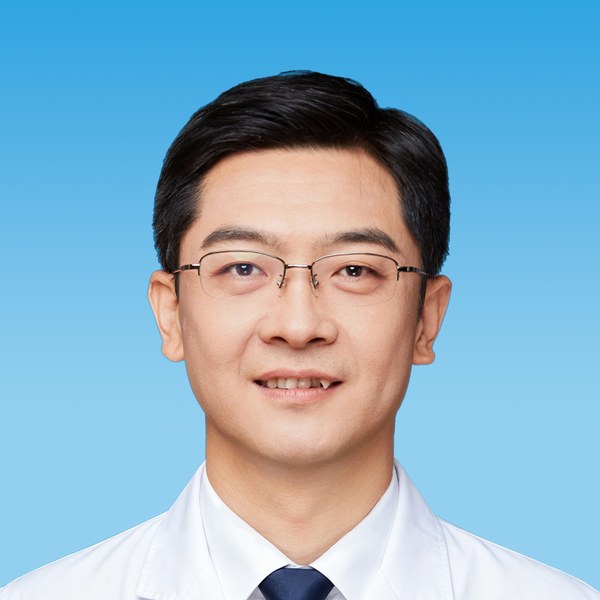
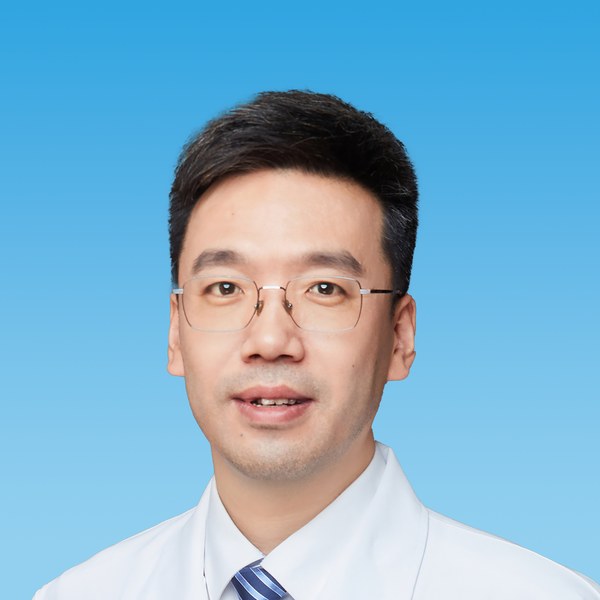
Shaoliang Wang (王韶亮)

Director, Plastic Surgery & Aesthetics Medical Center · Vice Chief Physician, Associate Professor, Doctor of Medicine

Surgical assessment · tertiary-hospital backstop

Dr. Shaoliang Wang is Director of the Plastic Surgery & Aesthetics Medical Center at Chongqing West District Hospital. Within the team he provides the surgical perspective: the judgement of when a concern is better served by an operation than by a device, including the looseness and volume problems that light treatment cannot address at all.

He is also the reason the hospital backstop is real rather than theoretical. Treatment takes place inside a tertiary general hospital, so anaesthesia, theatre and intensive care are in the same building if a rare complication needs them.

Clinical focus

  • Surgical assessment where an operation is the honest answer to laxity or scarring
  • Centre leadership and multidisciplinary case review
  • Hospital-based support for the rare complication that needs theatre-level care
Tongchun Mao

Tongchun Mao (毛彤春)

Deputy Director & Head of Aesthetic Surgery · Vice Chief Physician, Licensed Aesthetic Attending

Aesthetic surgery · honest referral · natural results

Dr. Tongchun Mao is an aesthetic surgeon within the Plastic Surgery & Aesthetics Medical Center at Chongqing West District Hospital. Within the team his role is refinement and judgement: recognising when a device-based plan will not achieve what an operation can, and saying so.

For a patient considering light treatment, that matters most at the point where the real complaint is a sagging contour rather than mottled colour. A team that practises both has no reason to keep selling sessions for a problem a light source cannot reach.

Clinical focus

  • Aesthetic surgical assessment and refinement
  • Honest referral when surgery outperforms non-surgical treatment
  • Shared case planning within the four-physician team
Yongbo Jia

Yongbo Jia (贾勇波)

Deputy Director & Head of Dermatology · Vice Chief Physician, Licensed Aesthetic Attending

Dermatology · pigment diagnosis · barrier care

Dr. Yongbo Jia is a dermatologist within the Plastic Surgery & Aesthetics Medical Center at Chongqing West District Hospital. Within the team his role is the skin itself: medical assessment before treatment, and the diagnosis that decides whether a brown patch or a red area should be treated with light at all.

He also manages what happens when a device has irritated the skin, including post-inflammatory hyperpigmentation and disturbed barriers. Most treatment failures in skin care trace back to a missed diagnosis or an abandoned routine, which is why his assessment comes before any plan.

Clinical focus

  • Medical skin assessment behind light-based treatment plans
  • Pigment diagnosis and management, including melasma-type conditions
  • Dermatologic care of skin after a device has irritated it

Ready to find out whether light treatment suits your skin?

Book an assessment. We identify what the pigment or the redness actually is, judge whether your skin type makes light-based treatment safe, and tell you plainly when a different treatment, or no treatment, is the better answer.

Contact the Team